N₂O Laws in Sweden: Are Cream Chargers Legal for Food Businesses?
Nitrous oxide (N₂O) regulations vary significantly across Europe. Sweden is among the countries where food-service operators regularly ask whether cream charger purchases and use remain compliant with national law. The short answer for licensed food businesses: yes, wholesale B2B supply of food-grade E942 N₂O for culinary use is legal in Sweden. Here is the complete picture.
The Legal Framework for N₂O in Sweden
Sweden regulates N₂O under a combination of EU food additive law and national public health legislation. Under EU Regulation (EC) No 1333/2008, nitrous oxide (E942) is authorised as a food propellant for whipping cream applications. Sweden also enacted the Lag om förbud mot innehav av berusningsmedel (Law on prohibition of possession of intoxicants) and has updated enforcement guidelines following public health concerns about recreational N₂O use. However, professional wholesale supply of food-grade E942 N₂O to licensed food-service businesses remains fully legal in Sweden. The restrictions target consumer-level possession and recreational use — not professional procurement through verified B2B channels.
What This Means for Sweden Food-Service Operators
Swedish restaurants, hotels, konditorier (patisseries), and catering businesses can legally purchase food-grade E942 N₂O cream chargers for culinary use. The Livsmedelsverket (Swedish Food Agency) requires food additive documentation in HACCP plans — including supplier E942 certification and CoA for all propellant gases used in food production. Swedish food businesses should source N₂O exclusively through certified wholesale suppliers and maintain clear documentation that distinguishes professional food-service procurement from recreational use — this documentation also satisfies any Livsmedelsverket inspection requirement.
Sweden Market: Who Uses N₂O Professionally
Sweden’s food culture has undergone a transformation in the past two decades, with Swedish cuisine gaining international recognition for its emphasis on quality ingredients, fermentation, and modernist technique. Stockholm has a dense concentration of Michelin-starred and ambitious restaurants — Östermalm, Södermalm, and the waterfront areas host some of the Nordic region’s most innovative kitchens, many of which use N₂O for espuma, foam, and cream preparations. Gothenburg and Malmö add significant regional restaurant markets. Swedish konditorier — with their strong tradition of semlor, kladdkaka, and prinsesstårta — represent another steady professional segment for cream charger supply.
MonsterWhip’s Supply to Sweden
MonsterWhip supplies food-grade E942 N₂O cream chargers to verified food-service businesses in Sweden with delivery to Stockholm and nationwide. All shipments include Certificate of Analysis documentation, E942 food additive certification, and lot-traceable batch records — ensuring full HACCP compliance and audit readiness for any food safety inspection.
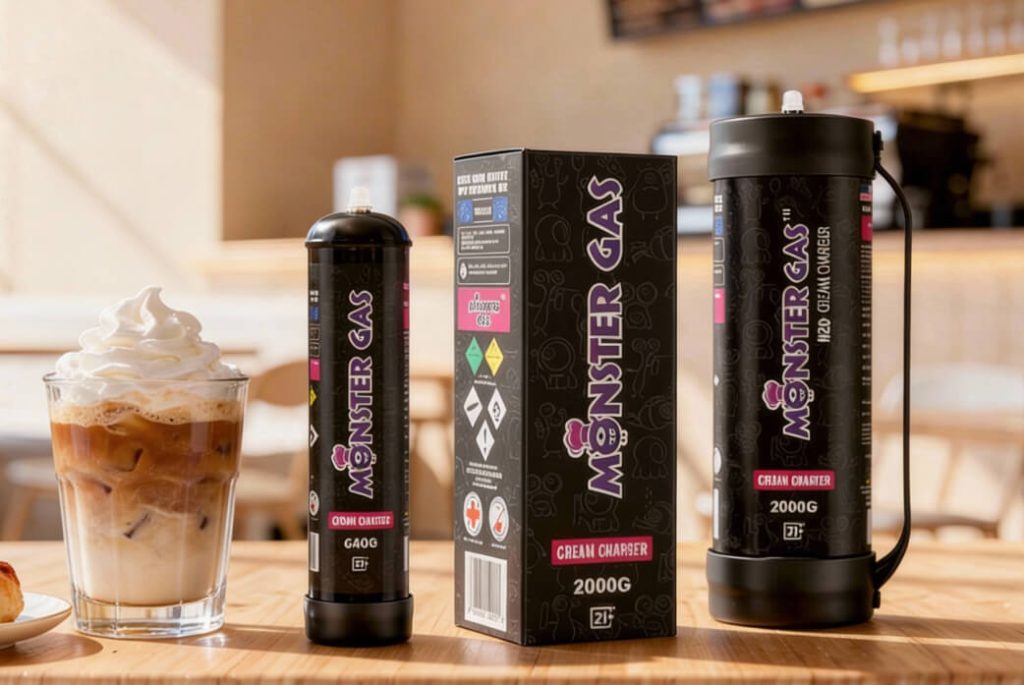
Products available for Sweden wholesale accounts: 8g charger cases, 580g professional cylinder cases, and 2kg commercial cylinders. New accounts can be set up within one business day. Contact MonsterWhip for a wholesale quote.
Frequently Asked Questions: N₂O Laws in Sweden
Are cream chargers legal in Sweden? Yes, for licensed food businesses using food-grade E942 for professional culinary purposes.
Has Sweden banned N₂O? No national ban on professional food-service procurement exists. Consumer restrictions on recreational use apply but do not affect B2B food supply.
Does MonsterWhip deliver to Sweden? Yes — Stockholm, Gothenburg, Malmö, Uppsala, and all Swedish addresses. Lead time 3–5 business days.
What documentation proves compliance? MonsterWhip provides E942 certification, lot-traceable batch records, and CoA for Livsmedelsverket HACCP compliance.