Share:
Molecular Gastronomy with N2O: A Guide for Professional Chefs
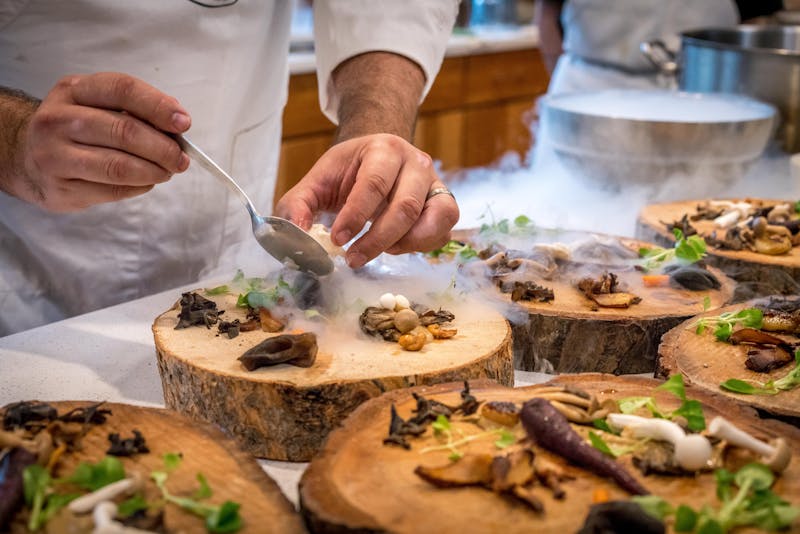
Molecular gastronomy has transformed the way top chefs think about texture, flavour, and presentation. At the heart of many of these techniques is a simple but powerful tool: the N2O cream charger. Far beyond whipped cream, nitrous oxide enables chefs to create foams, rapid infusions, aerated desserts, and more — all in seconds. Here are five essential molecular gastronomy techniques every professional chef should have in their repertoire.
1. Espumas — Light-as-Air Savoury and Sweet Foams
The espuma (Spanish for “foam”) is perhaps the most iconic molecular gastronomy technique using N2O. Popularised by the legendary chef Ferran Adrià at elBulli, espumas allow you to turn virtually any flavoured liquid into a light, airy foam without the need for egg whites or gelatine.
How it works
A flavoured base — anything from beetroot juice to Parmesan broth to passion fruit purée — is combined with a small amount of a stabiliser (such as 1–2 sheets of gelatine or 0.5% xanthan gum) and loaded into a cream dispenser. The N2O from your cream charger dissolves into the liquid under pressure. When dispensed, the gas expands and creates thousands of tiny bubbles, producing a stable, cloud-like foam.
Chef applications
- Savoury: mushroom espuma on risotto, smoked paprika foam over grilled octopus, truffle espuma as a starter garnish
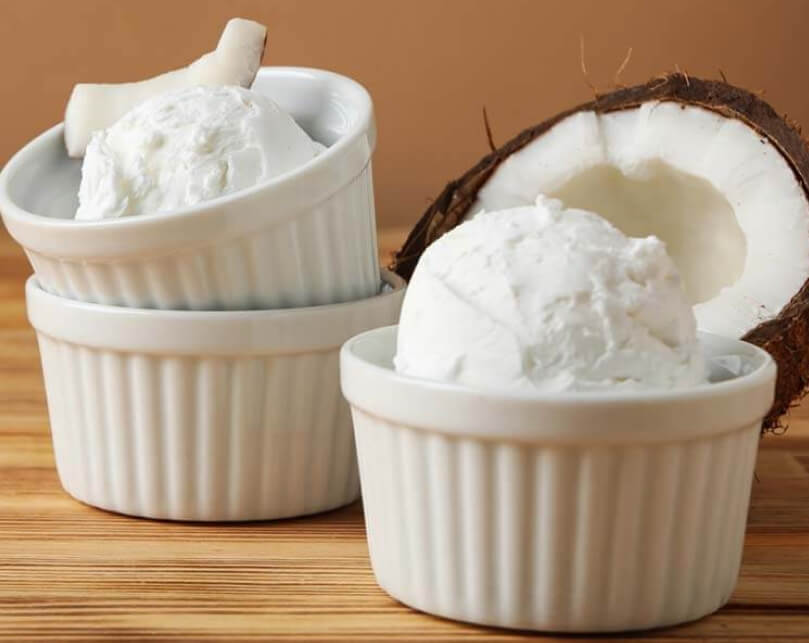
- Sweet: coconut foam on tropical fruit salad, coffee espuma on chocolate fondant, lemon curd foam on meringue
- The Complete Guide to Wholesale Cream Charger Sourcing
- The Complete Guide to Wholesale Cream Charger Sourcing
Why N2O matters: Unlike whipping with a stand mixer, N2O creates a foam with a fundamentally different microstructure — smaller, more uniform bubbles that are lighter on the palate and hold their shape longer on the plate.

2. Rapid Infusions — Hours of Flavour in 60 Seconds
Traditional flavour infusion — steeping herbs in oil, fruit in alcohol, or spices in cream — can take hours or days. With an N2O cream charger, you can compress those same infusions into under a minute.
How it works
Place your base liquid (spirit, oil, cream, vinegar) and your flavouring agent (herbs, citrus peel, spices, chilli, vanilla) into the cream dispenser. Charge with N2O, shake, and let it sit for 30–60 seconds. When you release the gas, the rapid pressure change forces the liquid into the cellular structure of the flavouring agent and then draws it back out — extracting intense flavour almost instantly.
Chef applications
- Cocktail bars: Infuse gin with cucumber and elderflower in 60 seconds instead of 48 hours
- Pastry: Create rosemary-infused cream or lavender-infused milk on demand
- Savoury: Rapidly infuse olive oil with basil, garlic, or truffle for finishing dishes à la minute
Why N2O matters: The pressurised environment and the solubility of N2O in fats and alcohol make it uniquely effective for extraction. CO2 cartridges cannot achieve the same result because they carbonate and acidify the liquid.
3. Aerated Desserts — Mousses, Meringues, and Sponges
N2O can create textures in desserts that are impossible to replicate with traditional mixing. One of the most impressive applications is the instant microwave sponge cake — a technique used in many Michelin-starred restaurants.
How it works
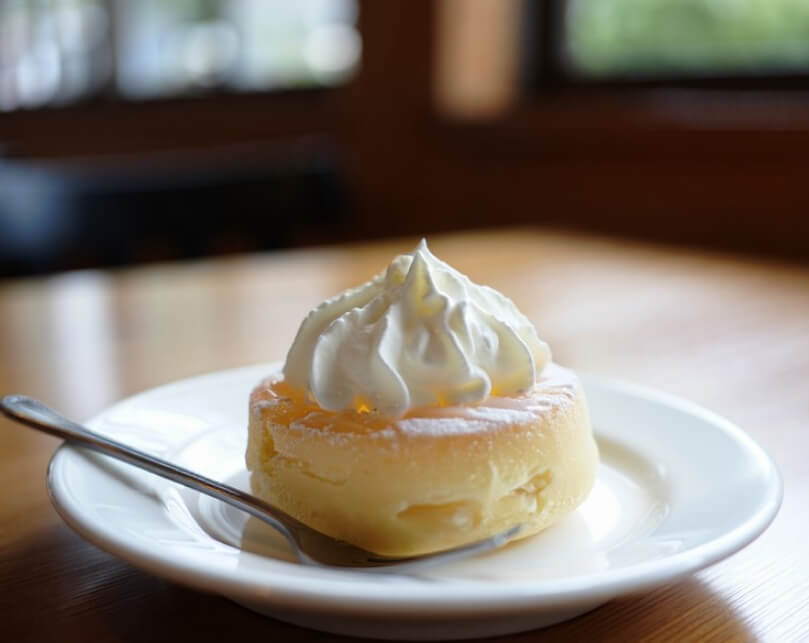
A batter (typically made from chocolate, fruit purée, or nut paste combined with egg and a small amount of flour) is loaded into a cream dispenser and charged with N2O. The batter is dispensed into a paper cup or mould and microwaved for 30–40 seconds. The result is an impossibly light, airy sponge with a texture unlike any conventionally baked cake.
Chef applications
- Chocolate aero sponge — served warm with ice cream as a plated dessert
- Pistachio microwave cake — a 40-second sponge with intense nut flavour
- Olive oil sponge — a savoury-sweet element for avant-garde tasting menus
Why N2O matters: The gas aerates the batter under pressure, creating a network of micro-bubbles. When heated in the microwave, these bubbles expand rapidly, producing a sponge structure in seconds that would take 20 minutes in a conventional oven — and with a far more delicate crumb.
4. Carbonation and Effervescent Textures
While CO2 is the traditional choice for carbonation, N2O can be used to create subtly effervescent textures in creams, sauces, and fruits without the sharp acidity that carbon dioxide introduces.
How it works
Fruits such as grapes, melon cubes, or berries are placed in the cream dispenser with a small amount of liquid (water or juice). The dispenser is charged with N2O and left in the fridge for 1–2 hours. The pressurised gas permeates the fruit. When you release the pressure, the fruit retains a gentle fizz on the tongue.
Chef applications
- Fizzy grapes — a playful amuse-bouche or dessert garnish
- Effervescent melon — paired with cured ham for a modern twist on a classic
- Sparkling berries — a surprising element in a fruit salad or cocktail
Why N2O matters: Unlike CO2, which creates carbonic acid and makes things taste sour, N2O provides a gentle tingle without altering the pH or flavour of the food. This is critical when working with delicate ingredients where you want texture, not taste distortion.
5. Flavoured Whipped Creams and Butters
This is the technique most people associate with cream chargers, but professional chefs take it far beyond vanilla whipped cream. The cream dispenser allows you to create any flavour of whipped cream or soft butter with perfect consistency, ready to dispense in seconds.
How it works
A cream base (minimum 27% fat content for whipping) is combined with flavourings — anything from matcha and yuzu to blue cheese and black garlic. The mixture is loaded into the dispenser, charged with N2O, and shaken. The fat in the cream traps the N2O bubbles, creating a stable whipped texture.
Chef applications
- Savoury: Wasabi cream on sashimi, smoked salmon mousse on blini, goat cheese cream on roasted beets
- Sweet: Tonka bean cream on crème brûlée, Earl Grey cream on scones, salted caramel cream on brownies
- Butter: Soft whipped miso butter, herb butter, or brown butter foam for finishing steaks and fish
Why N2O matters: Hand-whipping flavoured cream to the perfect consistency is difficult and inconsistent. The dispenser gives you identical results every single time, which is essential in a professional kitchen where every plate must match.
The Right Equipment Makes the Difference
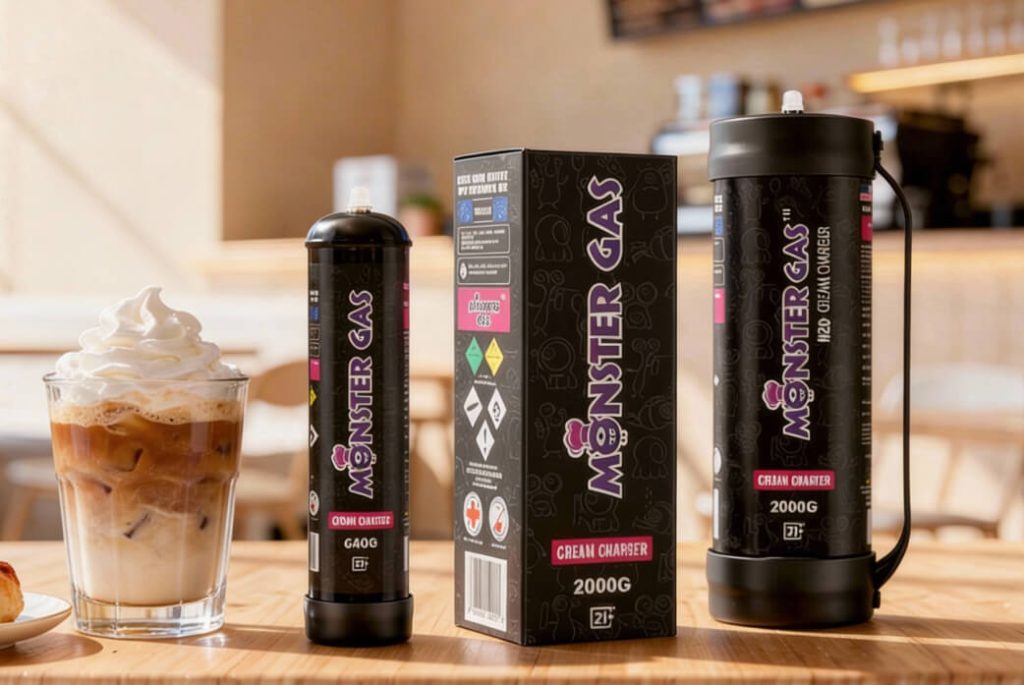
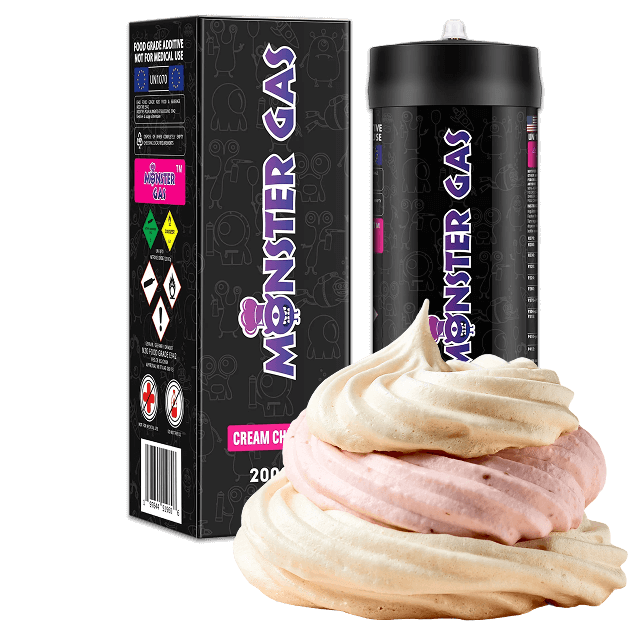
All five of these techniques rely on a consistent supply of food-grade N2O. Professional kitchens that go through high volumes benefit enormously from switching to large-format tanks like the MonsterWhip 640g or 2kg cream charger, which replace hundreds of small cartridges and deliver reliable pressure for hours of service.
Whether you are running a Michelin-starred tasting menu or a high-volume hotel breakfast buffet, these molecular gastronomy techniques can add value, creativity, and efficiency to your kitchen.
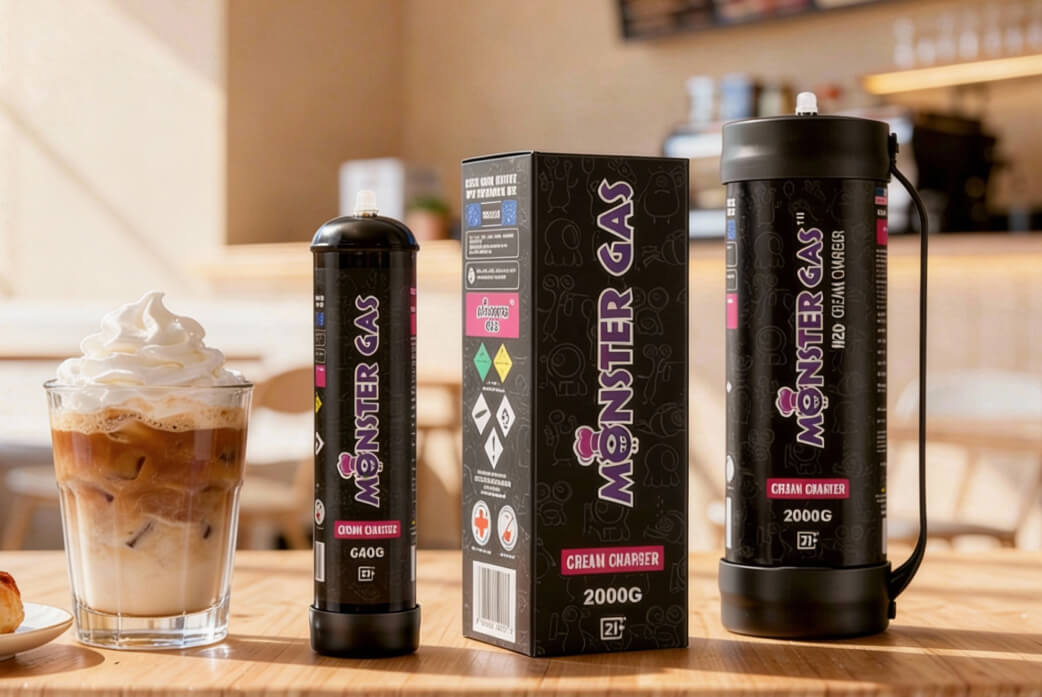
Explore MonsterWhip products or become a wholesale partner to stock your kitchen with the tools that make these techniques possible.
Related Articles
- Top 5 Drinks You Can Make with a Cream Charger
- The True Story of Nitrous Oxide in Gastronomy
- 640g vs 2kg Cream Chargers: Which Size Is Right?
- 5 Professional Whipped Cream Recipes
- The Science of N2O
Related MonsterWhip Resources
Wholesale Europe · Wholesale USA · N2O Laws by Country · Cost Calculator · Compare Brands
Ready to stock up? See our N2O wholesale pricing, browse the MonsterWhip shop, or request a wholesale quote — we reply within 24 hours.