Share:

How to Store Cream Chargers Safely: Business Guide
Proper Storage: The Foundation of Safe Cream Charger Operations
Cream chargers are pressurized containers filled with food-grade gas. Handle them right, and they’re reliable tools that last their entire shelf life. Handle them poorly, and you risk equipment damage, product loss, and safety hazards.
If you’re buying wholesale quantities—whether 10 cases or 100—proper storage and handling aren’t optional. They’re foundational to protecting your investment and running a safe operation.
This guide walks you through exactly what you need to know to store and handle cream chargers safely in a business environment.
Temperature Control: The Most Critical Factor
Cream chargers are pressurized containers. The pressure inside depends on temperature. Get the temperature wrong, and you’ve got a problem.
The Ideal Storage Temperature Range
Store cream chargers between 15°C and 25°C (59°F to 77°F). This range is narrow because it’s important:
- Below 15°C: Not dangerous, but cold slows down gas circulation in the dispenser, reducing efficiency.
- 15–25°C: Optimal. This is where chargers maintain proper pressure, gas flows smoothly into dispensers, and shelf life is maximized.
- Above 25°C: Internal pressure increases. Above 30°C, you’re at risk of charger rupture, especially in direct sunlight or near heat sources. Never store near ovens, radiators, or in vehicles in summer heat.
Many businesses overlook this when they first start stocking wholesale quantities. A dedicated, temperature-controlled storage area pays for itself in extended shelf life and safety.
Avoiding Heat and Direct Sunlight
Direct sunlight heats containers rapidly. Even on a cool day, a charger sitting in a sunny window can reach dangerous temperatures. Store chargers in a shaded, cool location—ideally indoors.
Common storage mistakes we see:
- Storing in delivery trucks during hot months (temperature inside can exceed 40°C)
- Stacking near kitchen equipment that generates heat
- Storing in uninsulated storage units or warehouses with poor climate control
- Placing near steam lines or heat vents in commercial kitchens
Ventilation: Why Airflow Matters
Cream chargers don’t need fancy ventilation systems, but they do need adequate airflow around them:
- If a charger develops a leak, escaping N2O gas can accumulate in poorly ventilated spaces. N2O is heavier than air, so it settles at floor level.
- Good ventilation disperses any leaked gas naturally, preventing unsafe concentrations.
- Airflow helps regulate temperature. A stuffy storage room heats up faster than one with air circulation.
You don’t need special exhaust systems. A standard storage room with windows, a door, or a ventilation duct is sufficient.
Stacking and Palletizing: Protecting Your Stock
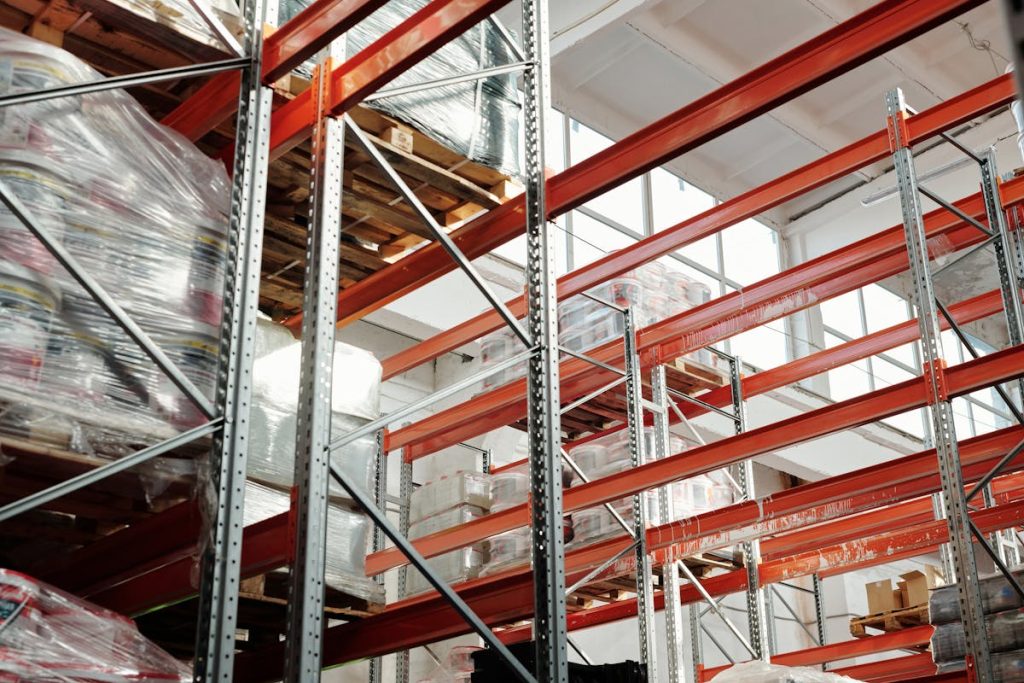
When you’re buying in wholesale quantities, you’re often managing pallets of chargers. How you stack them matters for both safety and space efficiency.
Safe Stacking Height
- Single boxes: Can safely stack 8–10 boxes high if stacked straight and on flat surfaces.
- Pallets: Stack a maximum of 2–3 pallets high, depending on pallet type and the total weight your floor can support.
- Uneven or unstable stacks: Never stack higher than you’re comfortable with. If a stack feels wobbly, reduce the height.
Store chargers on flat, clean, dry floors. Wet or uneven floors lead to corrosion and instability. Use wooden or plastic pallets as a buffer. Organize by charger type and size, and use FIFO (first in, first out) rotation.
Shelf Life and Storage Conditions: The Connection
The typical shelf life for a cream charger is 5 years from the manufacturing date, but this assumes proper storage. Poor storage conditions can reduce this significantly.
Factors that degrade shelf life:
- High temperatures: Can accelerate corrosion and degradation of internal seals.
- Moisture: Humidity causes external corrosion, compromising the seal.
- Pressure fluctuations: Rapid temperature swings stress seals.
- Physical damage: Drops, crushing, or dents stress the seal and can lead to slow leaks.
If you’re buying larger formats like 640g or 2kg cylinders, storage becomes even more critical because these hold more gas and represent larger investments.
Transport Safety: From Supplier to Your Location
Receiving and Inspection
When your shipment arrives:
- Inspect the exterior packaging for damage
- Check that chargers inside aren’t leaking
- Count the order against the invoice
- Move chargers to proper storage promptly
Your Own Transport Needs
- Use a vehicle with climate control during hot months
- Secure chargers so they don’t shift during driving
- Never stack chargers under extreme pressure
- Keep chargers out of direct sunlight
- Don’t leave chargers in parked vehicles for extended periods
Common Storage Mistakes (And How to Avoid Them)
Mistake 1: Storing in uncontrolled environments
Solution: Identify the coolest, most shaded location in your facility.
Mistake 2: Stacking too high or on unstable surfaces
Solution: Follow stacking limits and use stable pallets on flat floors.
Mistake 3: Storing near incompatible materials
Solution: Designate a clean storage area away from chemicals.
Mistake 4: Ignoring expiration dates
Solution: Rotate stock with FIFO and document dates.
Mistake 5: Storing in humid locations
Solution: Use elevated pallets and ensure adequate ventilation.
Insurance and Liability Implications
Proper storage practices protect you legally. If a charger fails or causes an accident, one of the first questions investigators ask is, “How was it stored?” Keep records of your storage practices—photos, thermometer readings, documentation of supplier quality, and logs of when chargers were received and used.
MonsterWhip Packaging: Designed for Safe Handling
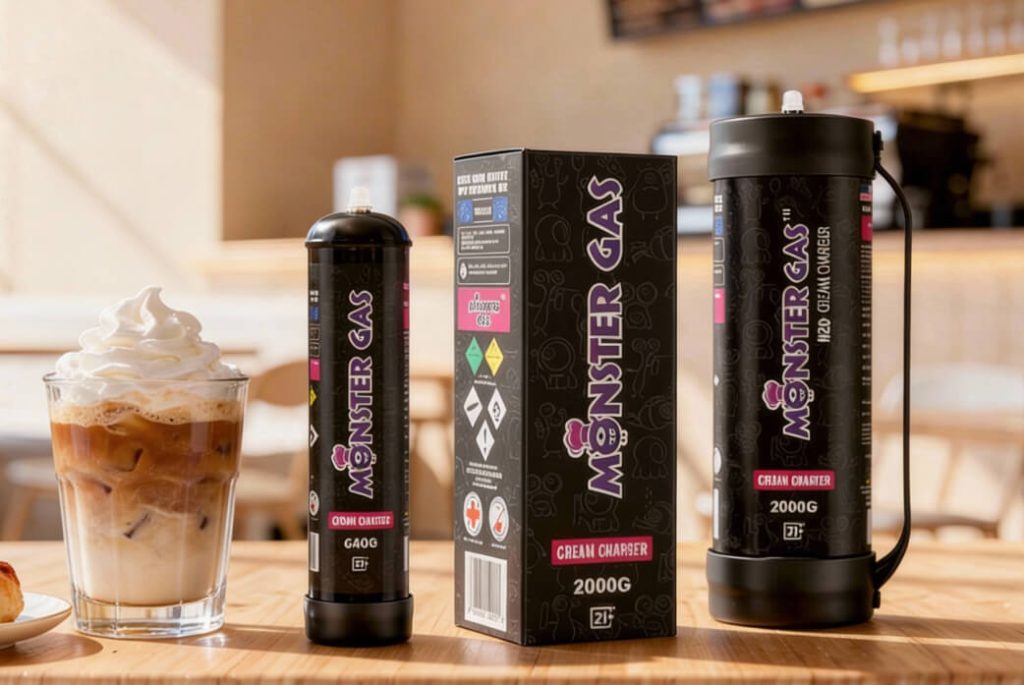
MonsterWhip packages chargers in stackable, protective boxes with clear labeling and storage guidance printed on them. This makes it easier for you to stack safely, identify products, understand storage conditions, and track expiration dates.
Setting Up Your Storage Area: A Checklist
- Location: Cool, dry, shaded area with stable temperature (15–25°C)
- Ventilation: Adequate airflow; no sealed or airtight storage
- Floor: Flat, clean, dry; use pallets if moisture is a concern
- Organization: FIFO rotation system, clear labeling by product and date
- Stacking: No higher than recommended; stable, level stacks only
- Monitoring: Daily or weekly temperature checks
- Documentation: Keep records of inventory, expiration dates, and storage conditions
- Safety: Keep chargers away from heat sources, chemicals, and high-traffic areas
Ready to Stock Properly?
Proper storage is the foundation of a reliable cream charger operation. Whether you’re a restaurant stocking for regular use or a distributor managing wholesale inventory, these practices ensure your chargers remain safe, effective, and cost-efficient.
For a complete guide to wholesale sourcing, including how to choose suppliers and plan your orders, check out our comprehensive sourcing guide. And if you’re ready to stock MonsterWhip chargers—visit our shop to explore options.
Have questions about storage for your specific setup? Check our FAQ or reach out to our distributor team for personalized guidance.
Ready to set up proper storage for your wholesale cream charger supply? Contact MonsterWhip to discuss your storage needs and find the right products for your business.
Related Reading
Complement your safety knowledge with our guide on N2O safety certifications: CE, TÜV and food-grade standards. For supply planning, see delivery times across Europe for wholesale buyers.
Related MonsterWhip Resources
Wholesale Europe · Wholesale USA · N2O Laws by Country · Cost Calculator · Compare Brands
Looking for wholesale N₂O cream chargers?
MonsterWhip supplies food-grade N₂O to restaurants, bars and caterers across Europe. Fast delivery, EU-certified, 99.7% purity.
- MonsterWhip 2KG N₂O Cylinder — from €21 per cylinder
- ★ Pallet of 168 × 2KG — best wholesale price, €3,528 + shipping
- Browse the full product range →
- Request a wholesale quote →