Share:
Wholesale Cream Chargers for Bars & Nightlife
Why Bars and Nightlife Venues Rely on N2O—And How to Cut Costs
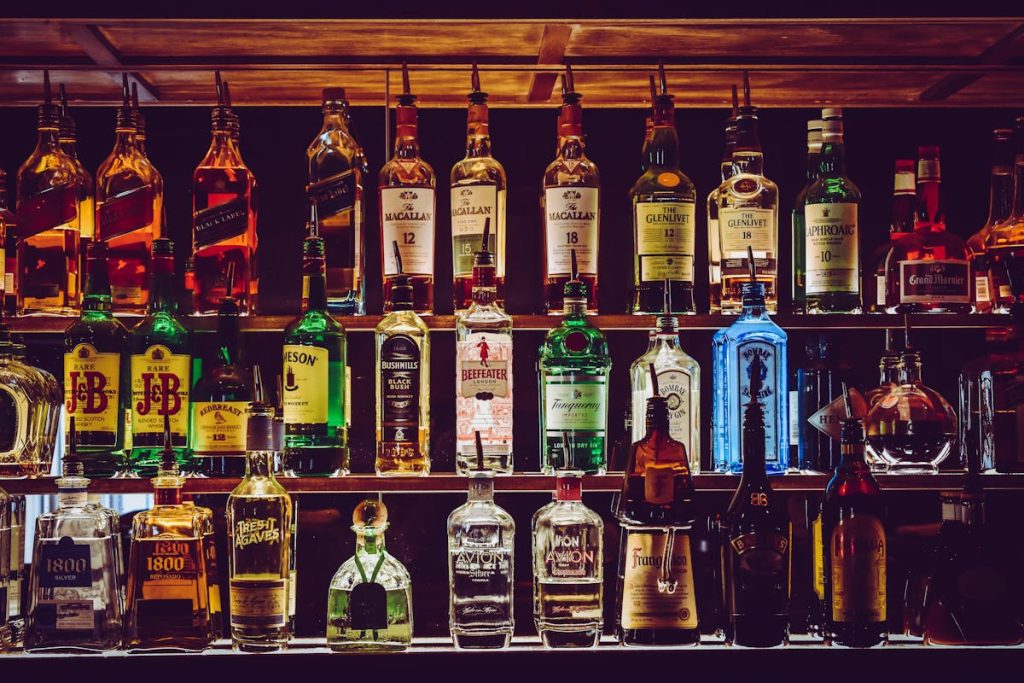
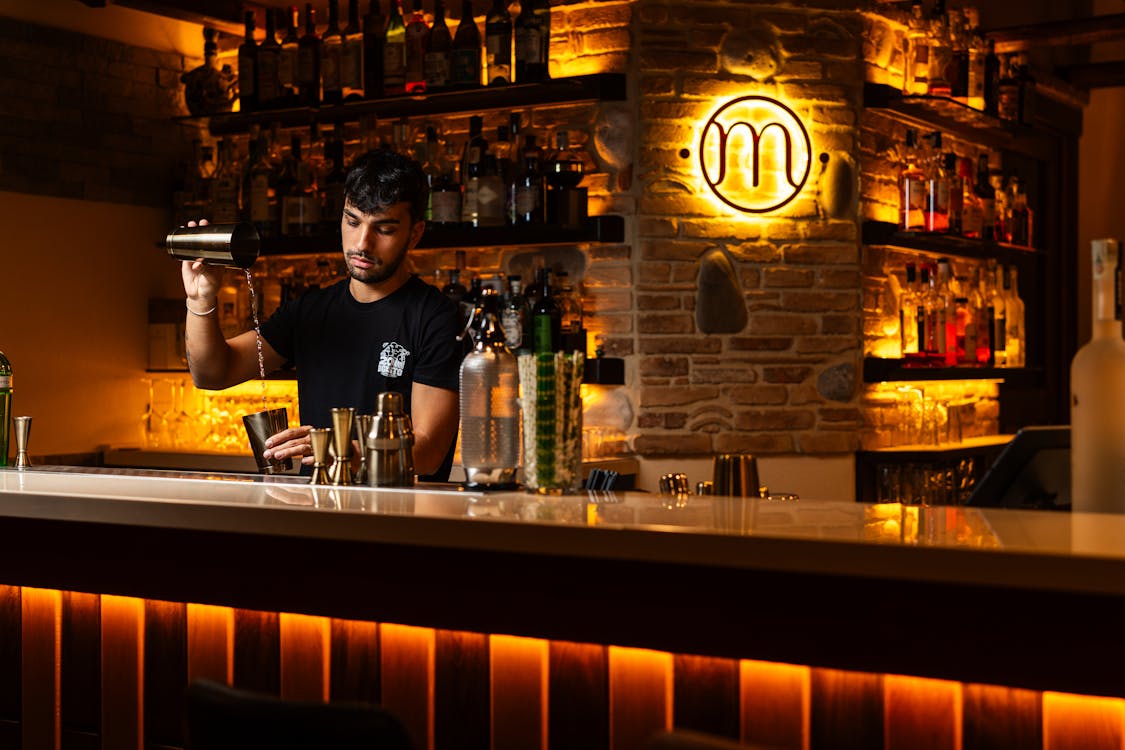
Walk into a modern cocktail bar and you’ll likely see cream chargers in use. The trend started with haute cuisine chefs using foam dispensers, but it’s become a staple of craft bartending and nightlife venues across Europe.
N2O isn’t just for whipped cream anymore. Bars use cream chargers for espresso martinis, infusions, foam garnishes, and even nitro cocktails. It’s become a competitive advantage—venues without N2O capacity are falling behind.
The catch? N2O costs add up. A busy bar can blow through hundreds of chargers monthly. If you’re managing nightlife venues or thinking about stocking cream chargers for the first time, understanding consumption and cost optimization is essential.
Why Bars Use N2O: Beyond Whipped Cream
Espresso Martinis and the Creamy Boom
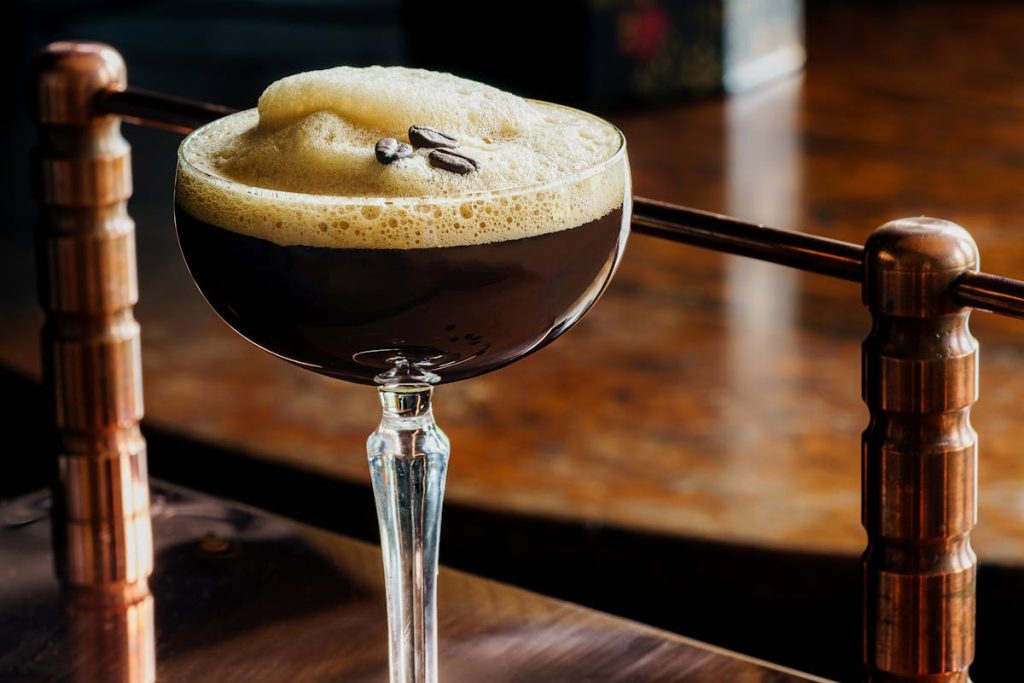
The espresso martini’s resurgence in the 2010s created demand for silky-smooth, nitrogen-infused foams. Bartenders use cream chargers with foam dispensers to create the signature layer on top. Without N2O, you can’t achieve that texture. It’s become so standard that customers expect it.
Cocktail Infusions and Flavor Innovation
Infusing spirits, juices, and syrups with N2O is a bartender technique that wasn’t common five years ago but is now expected at upscale venues. Injecting flavor compounds into liquids under pressure accelerates infusion (hours instead of days). It also creates unique textures and mouthfeels.
Examples:
- N2O-infused citrus curd mousse as a garnish
- Rapid infusions of bitters or spice into spirits
- Aerated fruit purees and vegetable foams
- Nitro cold brew cocktails (layered espresso and cream)
A venue offering these techniques attracts customers willing to pay premium prices for the experience. That margins justify the N2O expense.
Nitro Cocktails and Draught Systems
Some upscale bars have installed draught systems that dispense cocktails on nitrogen. These require compressed N2O cylinders or bulk supply. It’s less common than charger use, but for high-volume venues, it’s becoming standard.
Consumption Estimates: How Many Chargers Does a Bar Actually Use?
This varies wildly based on venue type and philosophy. Let’s break it down.
Small Neighborhood Bar (500–1000 covers/week)
If the bar makes 50–100 cocktails weekly that use foam or infusions:
- Each foam drink uses 1–2 chargers (one full dispenser)
- Infusion experiments use another 5–10 chargers weekly
- Total: 60–120 chargers per week = 3,120–6,240 annually
Mid-Tier Cocktail Bar (2,000–3,000 covers/week)
With 200–400 cocktails using foam or N2O-based techniques:
- Each foam drink uses 1–2 chargers
- Infusion work and R&D adds 20–40 chargers weekly
- Total: 220–440 chargers per week = 11,440–22,880 annually
Nightclub or High-Volume Venue (5,000+ covers/week)
With 500+ cocktails using creamy textures or foams:
- Each foam/nitrogenated drink uses 1–2 chargers
- Fast-paced service means higher charger burn
- Infusions and specials add another 50–100 per week
- Total: 600–800+ chargers per week = 31,200–41,600+ annually
A busy nightclub can consume 50,000+ chargers annually. That’s real volume.
Cost Structure: The Real Numbers
Let’s be concrete about what bars pay for N2O.
Per-Charger Costs at Retail vs Wholesale
A neighborhood bar buying chargers at a local supplier (retail):
- Small boxes (25 chargers): €1.50–2.00 per charger
- Annual cost for 3,000–6,000 chargers: €4,500–12,000
The same bar buying wholesale through MonsterWhip:
- Bulk pricing: €0.30–0.40 per charger at volume
- Annual cost for 3,000–6,000 chargers: €900–2,400
- Savings: €3,600–9,600 per year
That’s not pocket change. For a bar with tight margins, moving to wholesale supply transforms N2O from a cost center into a minor line item.
A Busier Example
A mid-tier cocktail bar consuming 20,000 chargers annually:
- Retail pricing: 20,000 × €1.50 = €30,000/year
- Wholesale with MonsterWhip: 20,000 × €0.32 = €6,400/year
- Annual savings: €23,600
That savings could hire an additional bartender or invest in menu innovation. It’s material.
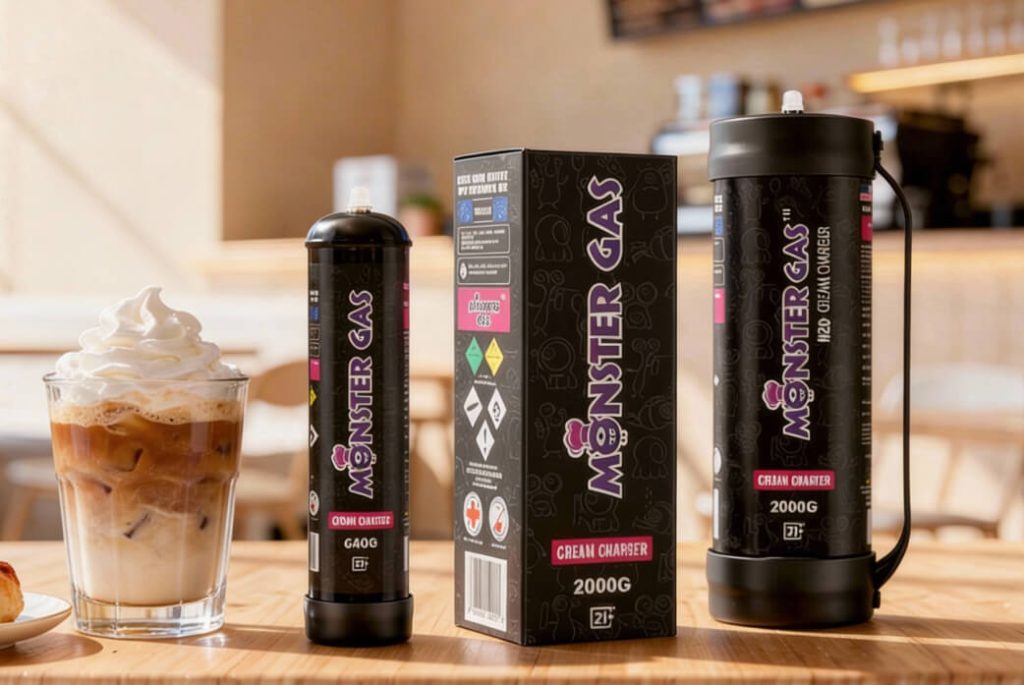
Small Chargers vs 640g vs 2kg: Which Format Makes Sense for Bars?
N2O comes in different sizes. Which should a bar stock?
8g Chargers (Traditional)
Pros:
- Compatible with standard foam dispensers
- Easy to rotate stock (shelf life not a concern)
- Low capital outlay per order
- Flexible—order exactly what you need
Cons:
- High per-unit price compared to bulk formats
- Requires frequent orders (for high-volume venues)
- Packaging waste (lots of boxes)
Best for: Small-to-medium bars; venues with limited storage; bars wanting simplicity.
640g Cylinders
Pros:
- Equivalent to ~80 individual chargers in one refillable unit
- Lower per-gram cost than 8g chargers
- Reusable (you exchange empty for full)
- Reduced packaging waste
- Works with refillable foam dispensers
Cons:
- Requires investment in compatible dispensers
- Need cold storage (works best at 15–25°C)
- Not all bars have space or infrastructure
Best for: Mid-to-large bars with consistent N2O use and proper storage. The cost savings justify the setup investment.
2kg Cylinders
Pros:
- Equivalent to ~250 individual chargers
- Absolute lowest per-gram cost
- Rare in bars, but perfect for venues with draught systems or multiple foam stations
Cons:
- Requires industrial-scale dispensers
- Needs specific infrastructure (gas lines, regulators)
- Only makes sense for very high-volume venues
Best for: Nightclubs with draught N2O systems, hotel bars with high volume, or multi-location operators pooling supply.
Storage Challenges in Bar Environments
A bar isn’t an ideal storage environment, but most manage fine with basic precautions.
Temperature Control
Bars are often warm (open kitchen, busy crowd). Cream chargers need cool storage (15–25°C is ideal). If you’re in a warm climate or a busy kitchen, store chargers:
- In a cool backroom or storage area, not the hot kitchen
- Away from ovens, grills, and heat sources
- In a climate-controlled storage unit if necessary
For 8g chargers stored for a few days, warmth isn’t catastrophic. But for larger formats or long-term storage, temperature matters.
Space Constraints
Many bars have limited back-of-house space. A pallet of 25,000 chargers doesn’t fit. The solution:
- Store smaller quantities (order more frequently)
- Use wall-mounted racks or shelving
- Stack chargers vertically in corners
- Negotiate delivery frequency with suppliers (more frequent, smaller shipments)
MonsterWhip offers flexible ordering, so you’re not forced into massive shipments that overwhelm storage.
Inventory Rotation
Chargers are shelf-stable, but they do expire. A busy bar that uses chargers daily shouldn’t worry. But if you’re a smaller venue, use FIFO rotation and don’t stock years’ worth of inventory. Chargers have a 5-year shelf life, so 6–12 months of supply is practical.
Ordering Strategy: Timing and Frequency
Smart ordering can reduce costs further.
Demand Forecasting
Count your charger use for 4 weeks. Record how many you use daily, weekly, and what the patterns are (busier nights use more). This gives you a baseline consumption rate.
Example:
- Monday–Thursday: 20 chargers/day
- Friday–Saturday: 60 chargers/day
- Sunday: 40 chargers/day
- Weekly total: ~360 chargers
- Monthly: ~1,440
- Annual: ~17,000
Order Frequency
Once you know consumption, order strategically:
- Option 1 (Safety Stock): Order a 3-month supply monthly. This ensures you never run out and locks in volume pricing.
- Option 2 (Just-In-Time): Order weekly or bi-weekly for exactly what you need. Reduces storage but requires reliable supplier.
- Option 3 (Hybrid): Order a 6-week supply every 3 weeks. Balances safety stock with storage constraints.
With MonsterWhip, you can choose any of these strategies. The flexibility is an advantage—you’re not locked into large MOQs that force overstocking.
Real-World Cost-Cutting Examples
Case Study 1: The Neighborhood Bar
Situation: A 12-year-old cocktail bar in Barcelona was buying chargers from a local supplier at €1.80 per unit. They used ~50 per day (18,250 annually).
Problem: At 18,250 × €1.80 = €32,850 per year on chargers alone. No volume discount because they were buying from retail.
Solution: Switched to MonsterWhip at €0.33 per unit bulk pricing and ordered bi-weekly (1,000-unit orders).
Result: 18,250 × €0.33 = €6,022 annually. Savings: €26,828 per year. They reinvested in new glassware and staff training.
Case Study 2: The Nightclub
Situation: A high-volume nightclub in Amsterdam was burning through chargers inconsistently. No formal ordering system; bartenders bought retail whenever they ran low.
Problem: Unpredictable costs, frequent stockouts (bartenders improvised), expensive emergency orders.
Solution: Established a formal ordering schedule. Identified consumption (42,000 chargers annually). Switched to MonsterWhip and negotiated monthly deliveries of 3,500 units.
Result: Cost dropped from €65,000 (retail, no volume economy) to €13,400 (wholesale). Stockouts eliminated. Consistency improved service quality.
Case Study 3: The Multi-Location Operator
Situation: A group operating 4 bars in different cities was buying separately from local suppliers, missing economies of scale.
Problem: Inconsistent pricing across locations, no centralized inventory, high per-unit costs.
Solution: Consolidated all ordering through MonsterWhip. Combined consumption (60,000+ chargers annually) unlocked deeper discounts and created a centralized distribution system.
Result: Per-unit cost dropped from €1.50 to €0.29. Annual savings: €73,000 across 4 venues. Also simplified inventory management and ensured consistent supply across all locations.
Logistics: How to Manage Frequent Orders
One concern bars have about wholesale ordering is logistics. How do you manage frequent deliveries without disrupting operations?
Timing
Arrange deliveries during slow hours: early afternoon, late night after close, or daytime on your slowest day. MonsterWhip offers flexible scheduling, so work with them to find a time that doesn’t interfere with service.
Receiving
Designate someone to receive and inspect shipments. Check for damage, count units, and verify against the invoice. Store immediately in your designated location.
Frequency
Weekly or bi-weekly deliveries work for most bars. MonsterWhip can send a standing order on the same day each week, making it predictable and routine.
Quality Consistency: Why Brand Matters
Bartenders are sensitive to quality. If your foam dispenser isn’t performing, or N2O isn’t dispensing cleanly, they notice immediately. This affects service quality and customer experience.
Buying from reputable suppliers like MonsterWhip ensures consistent product quality. Every charger is filled to spec, meets food-grade standards, and performs predictably. You’re not gambling on cheaper, lower-quality alternatives that might underperform or leak.
For a bar where N2O techniques are part of your identity, this consistency is essential.
Making the Switch: Action Steps for Your Bar
If you’re currently buying retail and want to switch to wholesale:
- Count your actual consumption. Track charger use for 4 weeks. Be honest.
- Calculate your current spend. Units × retail price = annual spend.
- Get a wholesale quote. Contact MonsterWhip’s distributor team with your consumption estimate.
- Compare total cost, not just per-unit price. Include shipping, order frequency, and any bulk pricing.
- Place a pilot order. Try one month with MonsterWhip to test quality and logistics before committing.
- Optimize your storage. Follow proper storage guidelines to maximize shelf life and consistency.
For most bars, the switch to wholesale saves 70–80% on charger costs. That’s not marginal—it’s transformative.
The Competitive Edge
The bars and nightlife venues winning in 2026 aren’t just using N2O—they’re using it cost-effectively. By sourcing intelligently and managing supply properly, you free up budget for what really matters: quality ingredients, skilled bartenders, and innovative menu development.
For more on N2O use in bars and restaurants, see our comprehensive guide.
Ready to cut your N2O costs and secure reliable supply for your venue? Contact MonsterWhip about wholesale pricing for bars and nightlife operators. We work with venues from small cocktail bars to high-volume nightclubs, and we’ll customize a supply agreement that fits your operation.
Or explore our product range to see what fits your venue’s needs. Check our FAQ if you have questions about formats, storage, or ordering frequency for bars specifically.
Related Reading
See how coffee shops use cream chargers for nitro drinks and flavoured foams. Hotels and resorts are also making the switch — find out why.
Related MonsterWhip Resources
Wholesale Europe · Wholesale USA · N2O Laws by Country · Cost Calculator · Compare Brands
Looking for wholesale N₂O cream chargers?
MonsterWhip supplies food-grade N₂O to restaurants, bars and caterers across Europe. Fast delivery, EU-certified, 99.7% purity.
- MonsterWhip 2KG N₂O Cylinder — from €21 per cylinder
- ★ Pallet of 168 × 2KG — best wholesale price, €3,528 + shipping
- Browse the full product range →
- Request a wholesale quote →