Share:
Molecular Gastronomy with N2O: Beyond Cream
N2O in the Modern Kitchen: A Tool for Culinary Innovation
Nitrous oxide has been a staple in professional kitchens for decades, but its role has expanded far beyond the whipped cream dispenser. In the world of molecular gastronomy and modern culinary technique, N2O is a versatile tool used by chefs to create foams, infusions, aerated gels, and textures that would be impossible through traditional methods.
For restaurants pushing the boundaries of culinary creativity, having a reliable supply of food-grade N2O cream chargers is as fundamental as having quality knives and cookware.
Savoury Foams and Espumas
Perhaps the most iconic molecular gastronomy application, savoury espumas transform liquids into light, airy foams that deliver concentrated flavour without the heaviness of traditional sauces. A beetroot espuma, parmesan foam, or mushroom air can elevate a dish both visually and texturally.
The technique involves combining a flavoured liquid with a stabiliser — often lecithin, gelatin, or agar — loading it into a siphon, and charging with N2O. The gas dissolves into the liquid under pressure. When dispensed, it expands into countless tiny bubbles, creating a foam with a texture that ranges from dense and mousse-like to ethereal and cloud-like, depending on the stabiliser and fat content.
Rapid Infusions
One of the most practical molecular gastronomy techniques for everyday restaurant use is rapid N2O infusion. By placing a liquid (oil, alcohol, syrup, or vinegar) with a flavouring ingredient (herbs, spices, fruit, or smoke) in a cream dispenser and charging it, the pressurised gas forces the liquid into the cellular structure of the flavouring agent. When the gas is released, it pulls flavour compounds out as it escapes.
A process that traditionally takes 24–48 hours of steeping can be accomplished in 60 seconds. This opens up possibilities for restaurants that want to offer rotating flavour profiles without the lead time. Imagine infusing olive oil with fresh basil or truffle in under a minute — ready to dress a dish during service.
Aerated Desserts and Gels
Pastry chefs use N2O to create aerated versions of traditional dessert components. Chocolate mousse, fruit gels, and custard bases can all be lightened through N2O charging. The result is a texture that melts on the tongue in a way that mechanically whipped versions cannot match, because the gas bubbles are finer and more evenly distributed.
Aerated white chocolate, for example, creates a texture similar to a high-end chocolate bar’s honeycomb centre — but made fresh in the kitchen with precise flavour control.
Carbonation and Fizzy Fruits
While CO2 is the traditional choice for carbonation, N2O can be used in combination techniques to create novel textures in fruits and beverages. Pressurising fruits like grapes, strawberries, or melon pieces in a cream dispenser with N2O creates a subtle effervescence when bitten into — a surprising textural element that delights diners.
Temperature Play: Frozen Preparations
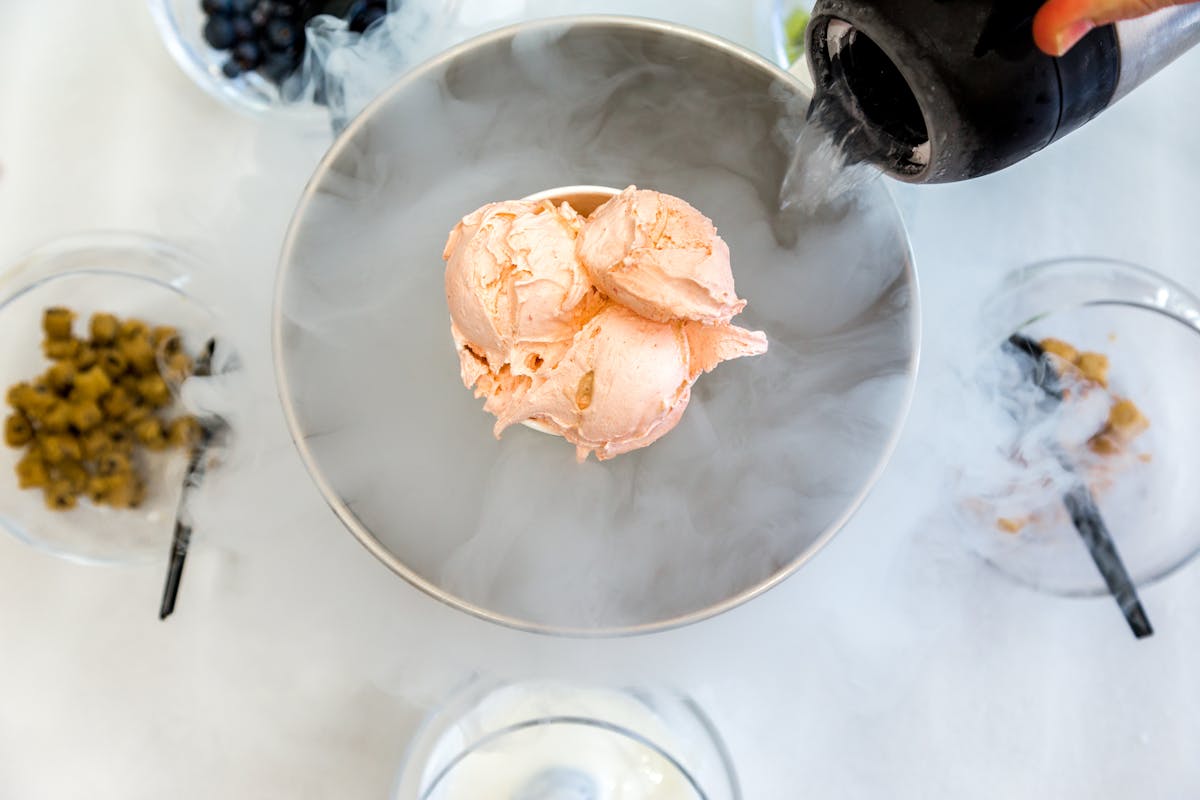
N2O dispensed directly at high volumes causes rapid cooling through the Joule-Thomson effect. Some chefs utilise this property for tableside preparations where rapid chilling creates visual drama. While liquid nitrogen is more commonly associated with flash-freezing, N2O offers a more controlled and safer alternative for certain applications.
Choosing the Right N2O Format for Gastronomy
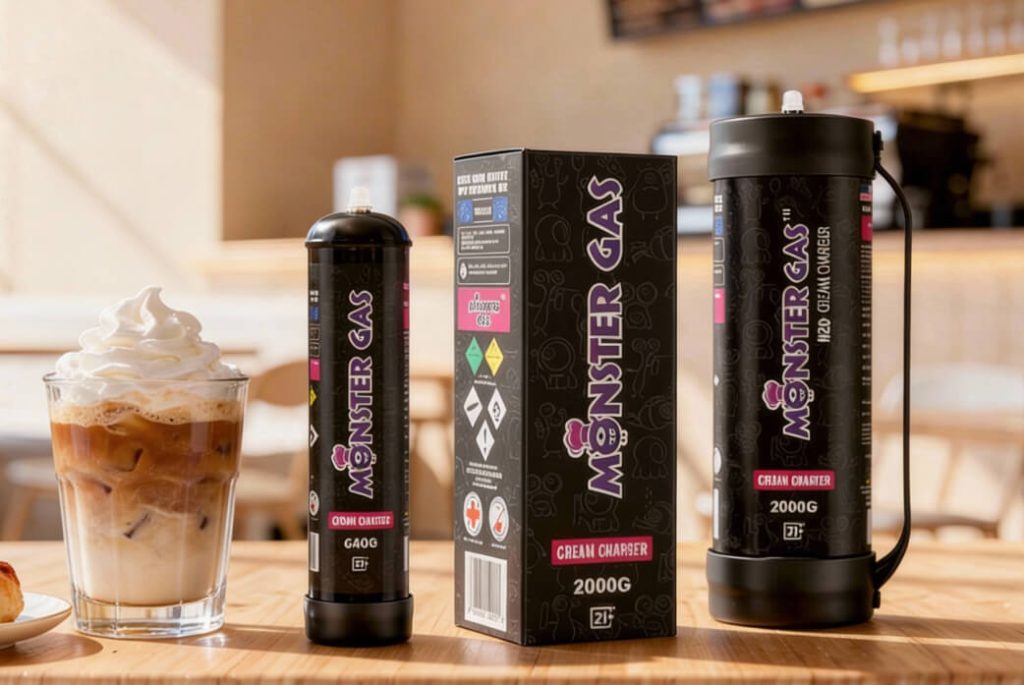
Molecular gastronomy restaurants often have unpredictable N2O consumption patterns — high usage during tasting menu services, lower during standard à la carte. The 640g format in a 6-pack provides a good balance of economy and flexibility for most fine-dining operations, while high-volume venues benefit from the 2KG format.
Regardless of format, using certified food-grade N2O (E942) is essential for any culinary application. Purity directly affects the taste neutrality and safety of the final dish.
Exploring molecular gastronomy techniques in your kitchen? Contact MonsterWhip for wholesale food-grade N2O that meets the standards your cuisine demands.
Related Reading
For everyday applications, see how coffee shops use cream chargers for nitro cold brew and flavoured foams. Keep your equipment in top shape with our dispenser maintenance guide.
Related MonsterWhip Resources
Wholesale Cream Chargers Europe · Wholesale USA · N2O Laws by Country · Cost Calculator · Compare Brands