Share:
Whipped Cream for Cafes & Restaurants: Why N2O Quality Matters
Whipped Cream for Cafés and Restaurants: Why Food-Grade N₂O Makes the Difference
For cafés and restaurants, whipped cream is not a garnish — it is a flavour component, a textural element, and a signal of quality. The consistency and stability of whipped cream in a professional setting depends almost entirely on two factors: the quality of the cream itself, and the quality of the N₂O gas propelling it. This guide explains how professional food-service operators optimise their whipped cream programs using food-grade N₂O cream chargers, and why sourcing certified E942 gas matters for kitchen output and food safety compliance.
How N₂O Cream Chargers Work
When food-grade N₂O is introduced into cream inside a whipping siphon, it dissolves into the fat phase of the cream under pressure. When the lever is pressed and pressure releases, the N₂O comes out of solution rapidly, expanding and creating millions of tiny air bubbles that give whipped cream its light, airy texture. The key variables that affect output quality are:
- Cream fat content: Cream with 35%+ fat content whips most reliably. Below 30%, the foam structure is unstable and collapses within minutes.
- Gas purity: Food-grade E942 N₂O at 99.5%+ purity dissolves cleanly into cream without imparting any off-flavour. Lower-purity or non-food-grade gas can introduce trace compounds that affect taste.
- Siphon fill level: Overfilling leaves insufficient headspace for gas expansion and produces flat, dense foam. Underfilling wastes cream and increases charger consumption.
- Chilling: Cold cream (2–4°C) whips more reliably and produces more stable foam than cream at room temperature. Pre-chilling the siphon itself improves output.
Flavoured Creams and Espuma for Professional Kitchens
N₂O whipping siphons are not limited to plain whipped cream. Professional kitchens use them to produce a wide range of preparations:
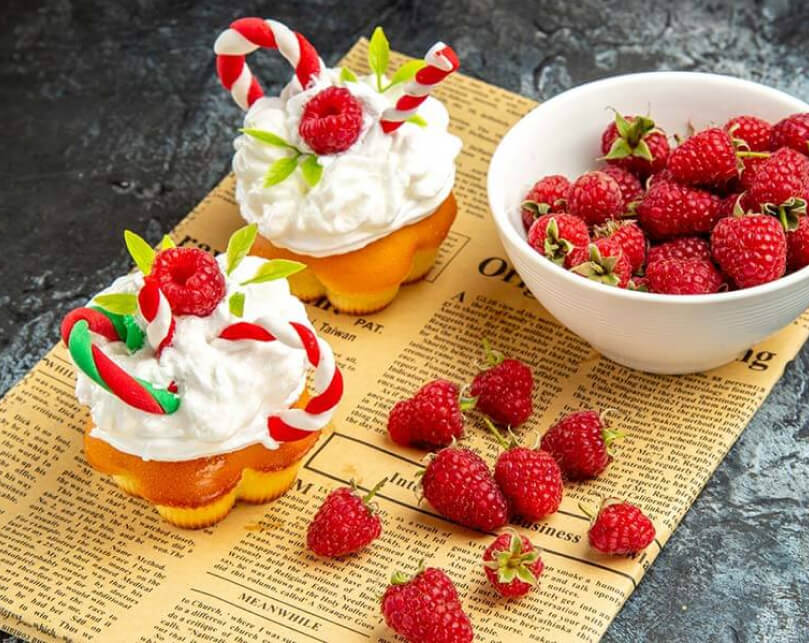
- Flavoured crème Chantilly: Vanilla, lavender, citrus zest, or liqueur-infused whipped cream for dessert plating.
- Savoury espuma: Cheese, truffle, herb oil, or vegetable purée foams for amuse-bouche or garnish applications in modernist cuisine.
- Infused oil emulsions: High-end kitchens use N₂O siphons to create rapid emulsions from flavoured oils and cream bases.
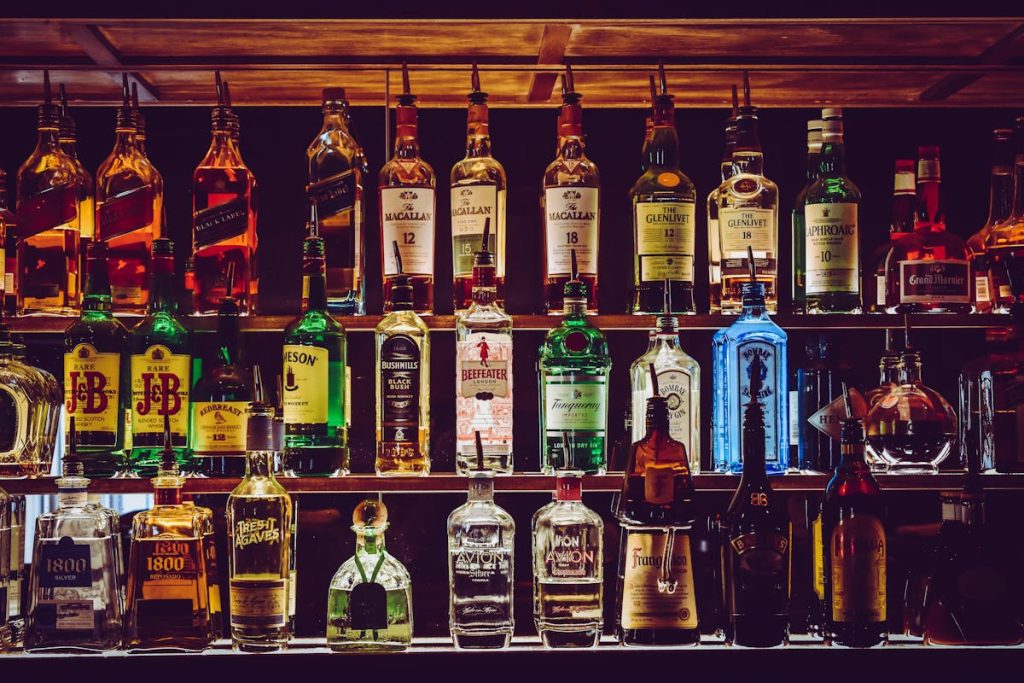
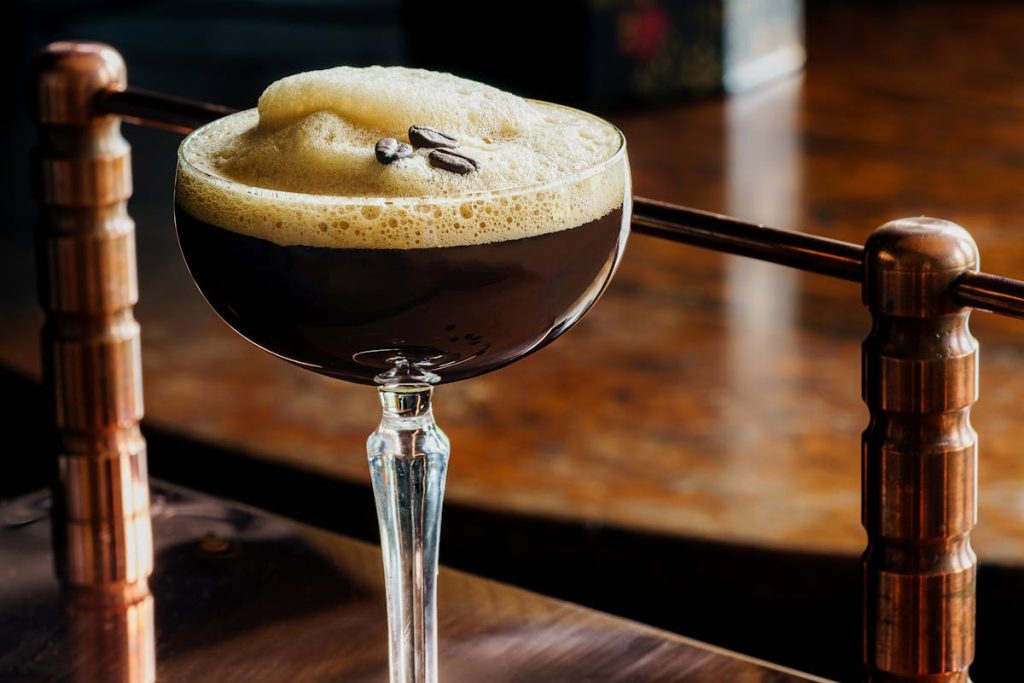
- Cocktail whips: Coffee liqueur, bourbon cream, or flavoured spirits can be whipped into stable foam for cocktail garnish programs.
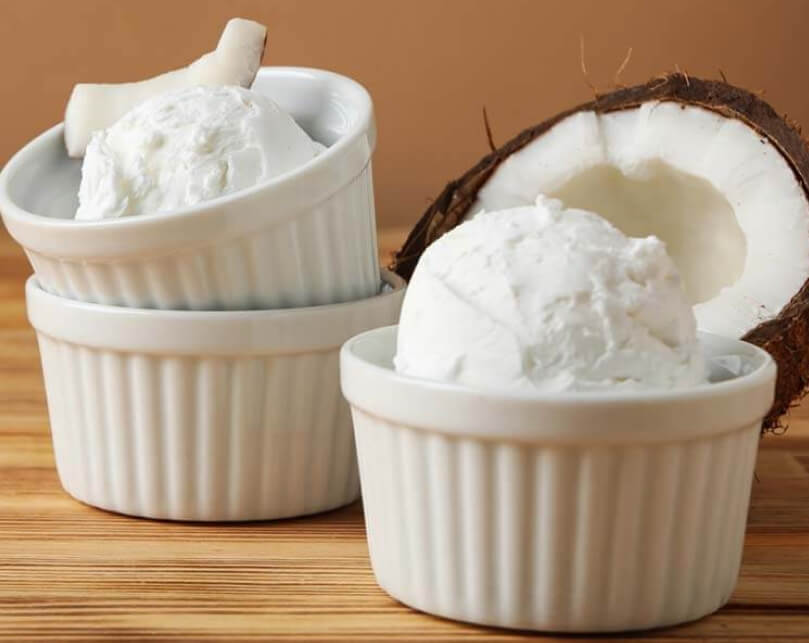
- Dairy-free foams: Coconut cream, cashew cream, and oat-based preparations with appropriate emulsifiers can be whipped using N₂O for vegan and dairy-free menu items.
Wholesale Cream Charger Supply for Cafés and Restaurants
For cafés and restaurants running daily cream programs, wholesale purchasing significantly reduces per-unit cost compared with retail. The break-even point — where switching to wholesale saves more than the case minimum order — is typically around 3–4 cases per month. Above that volume, wholesale pricing from MonsterWhip delivers 30–50% cost reduction versus supermarket or retail cream charger pricing.
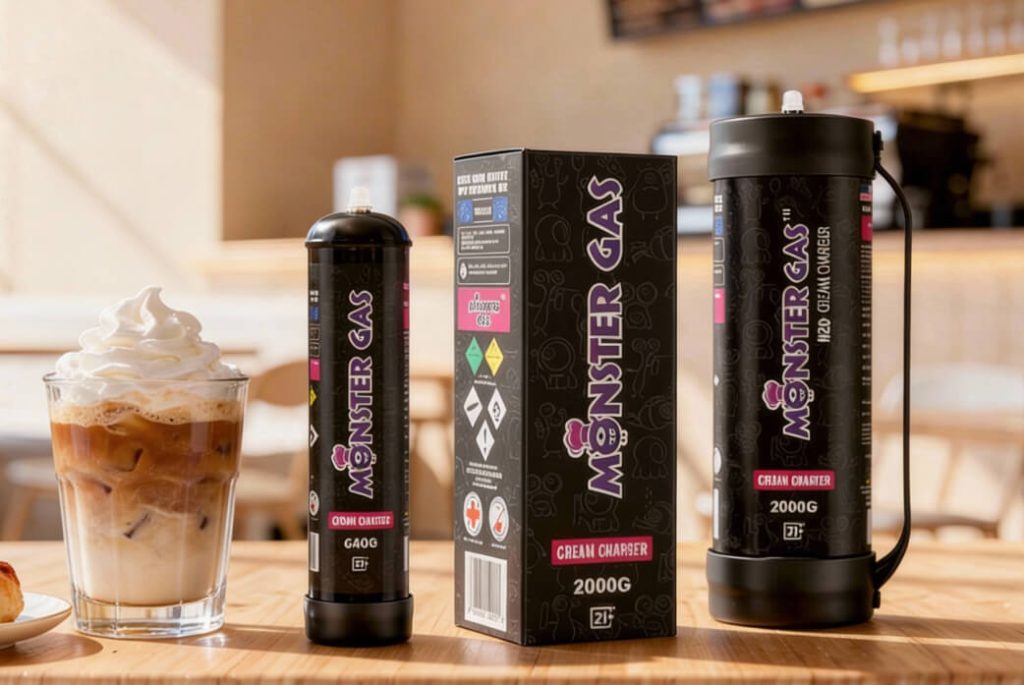
MonsterWhip’s product range covers every café and restaurant format: 8g single-use chargers for boutique cafés and low-volume kitchens, 580g professional cylinders for high-output pastry stations and specialty coffee programs, and 2kg commercial cylinders for the highest-volume operations. All products carry E942 food-grade certification with Certificate of Analysis on request.
Contact MonsterWhip to set up a wholesale account for your café or restaurant — most new accounts receive pricing within 24 hours.
Ready to stock up? See our N2O wholesale pricing, browse the MonsterWhip shop, or request a wholesale quote — we reply within 24 hours.
Recent posts
- How to Spot Fake or Low-Quality Cream Chargers: A Wholesale Buyer’s Checklist
- 640g vs 2kg Cream Chargers: Which Size Is Right for You?
- Cream Chargers Chicago: Wholesale N2O for Restaurants, Bars & Catering
- Cream Chargers Miami: Wholesale N2O for Restaurants, Bars & Catering
- Cream Chargers Houston: Wholesale N2O for Restaurants, Bars & Catering